

Electronic Shelf Labels for Clothing Stores
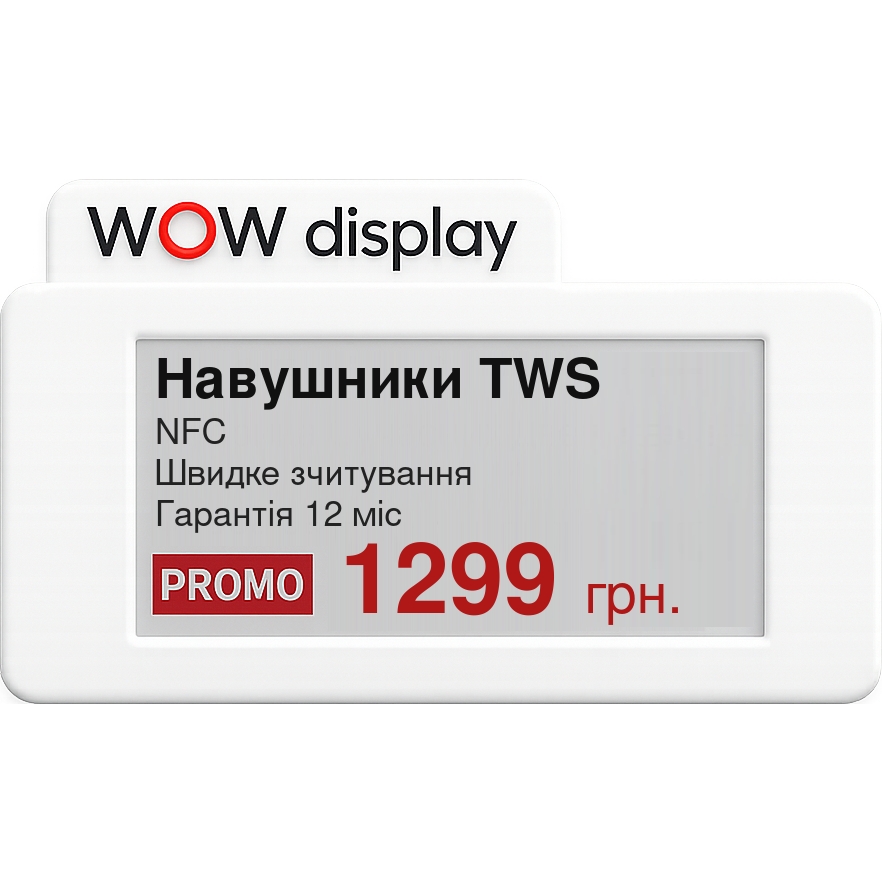
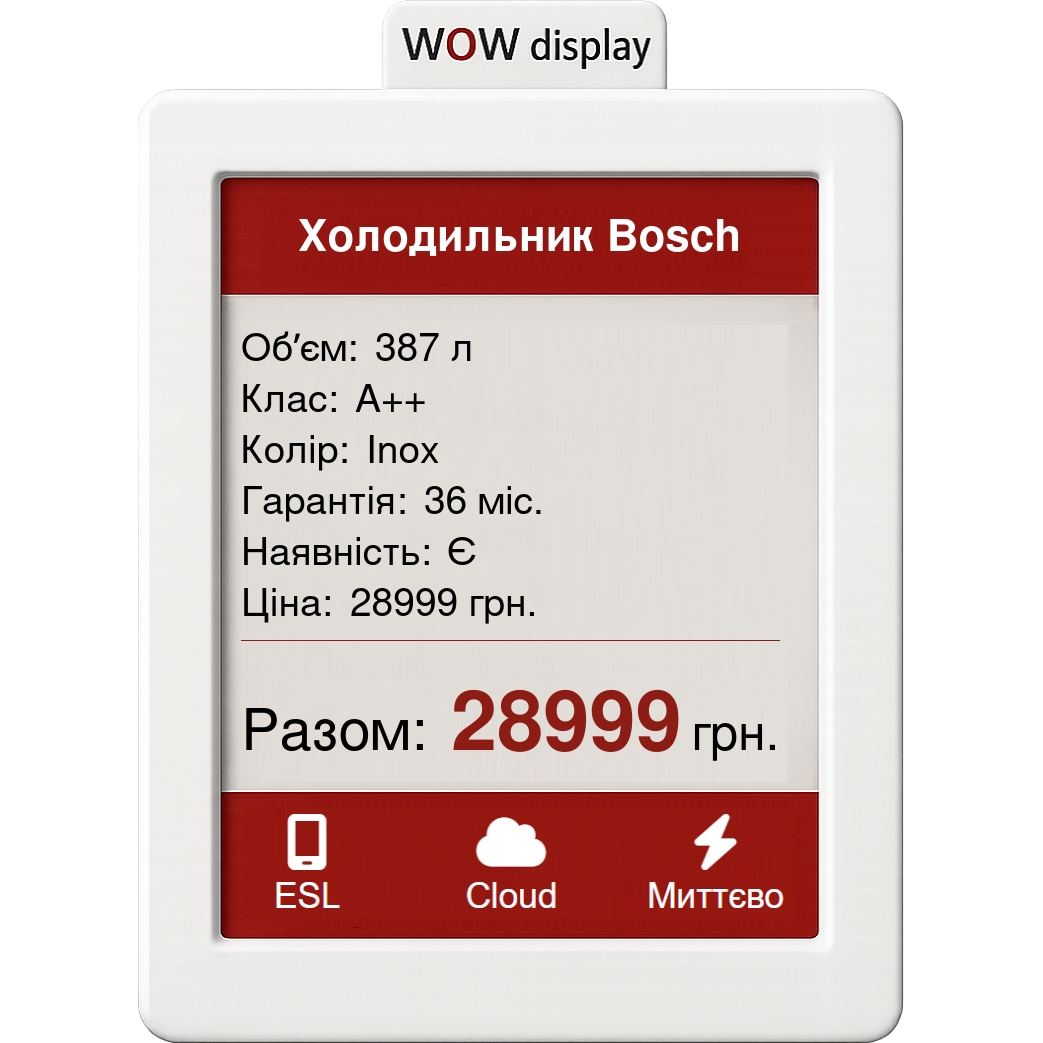
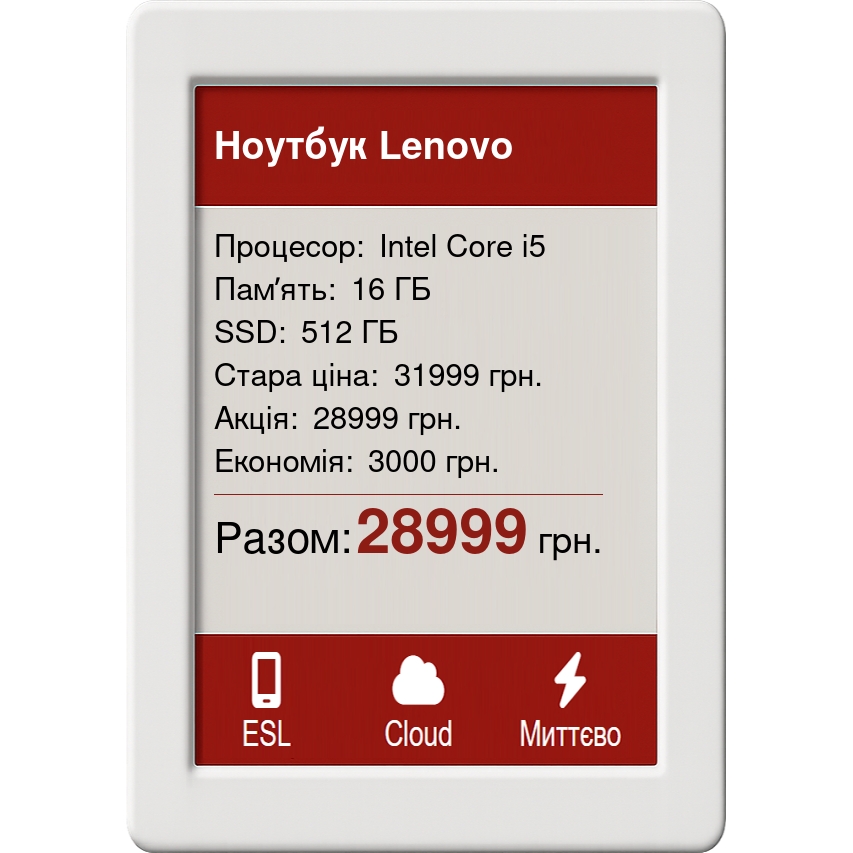
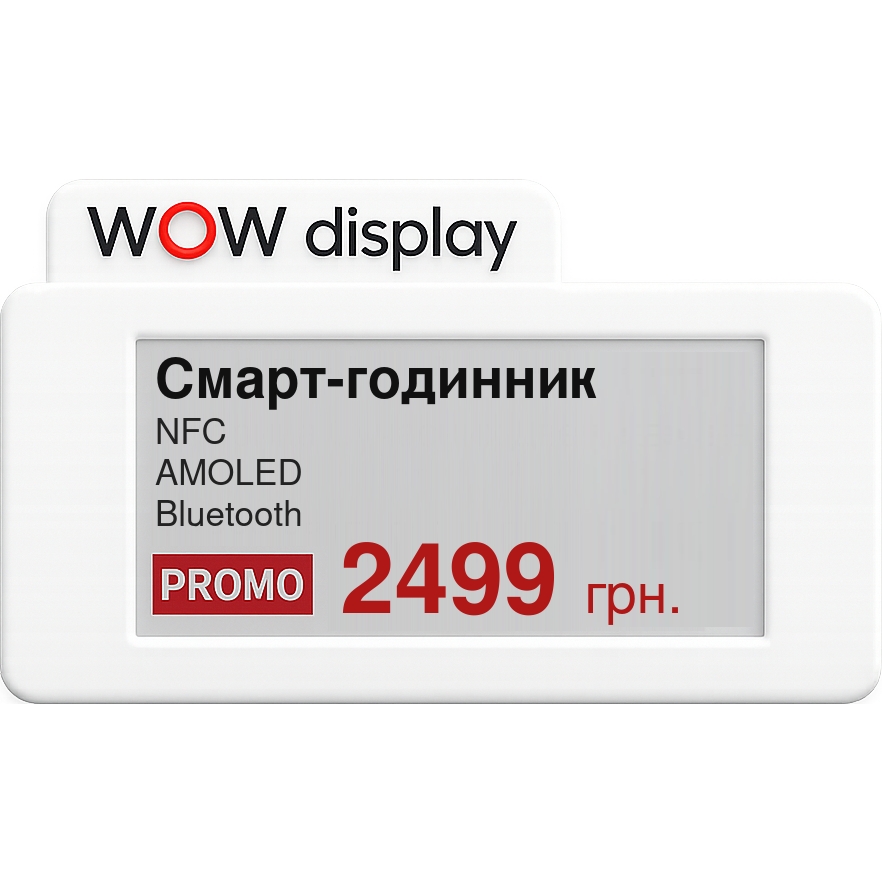
12 more items out of 13
Electronic Price Tags for Clothing Stores
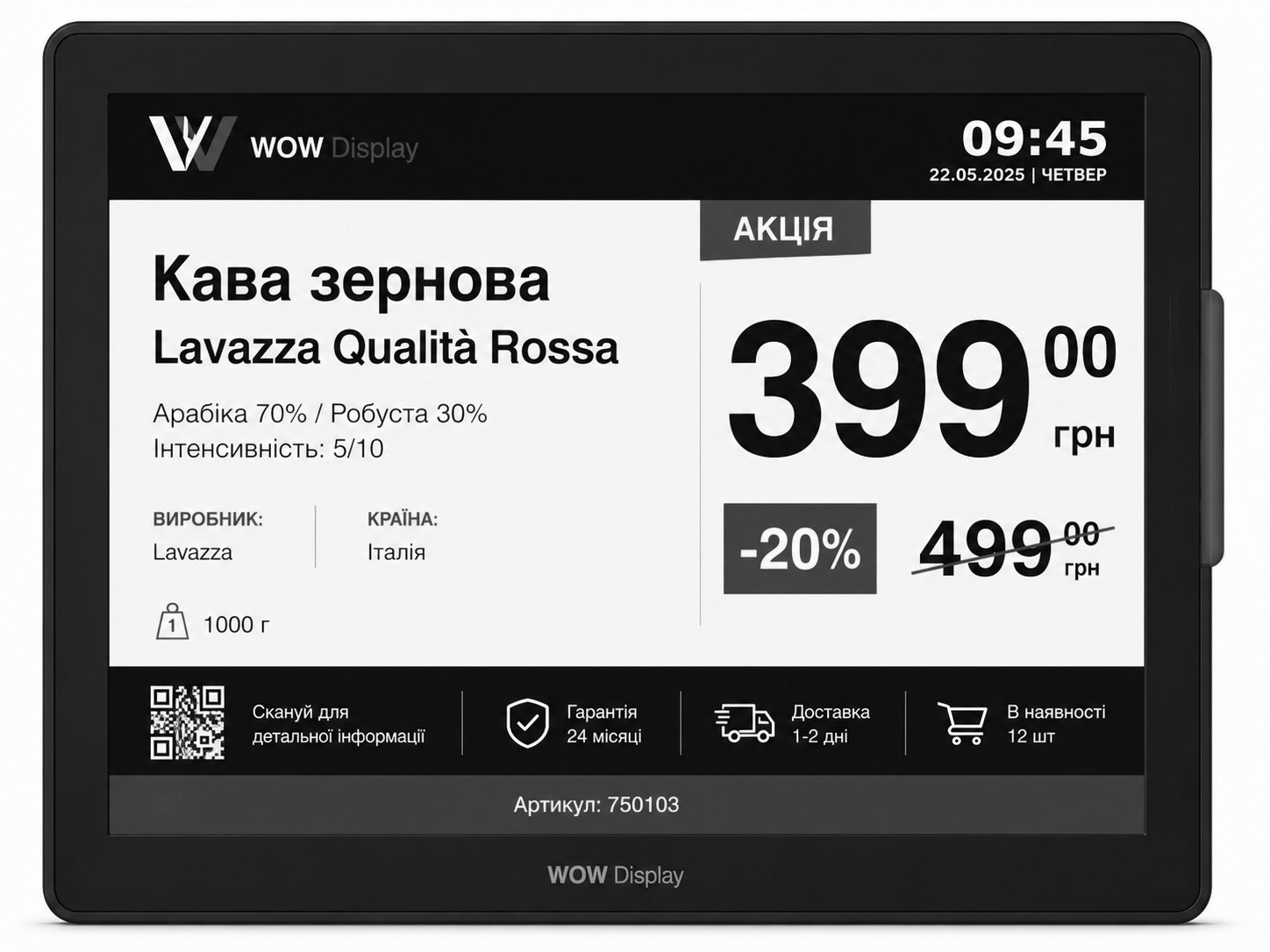
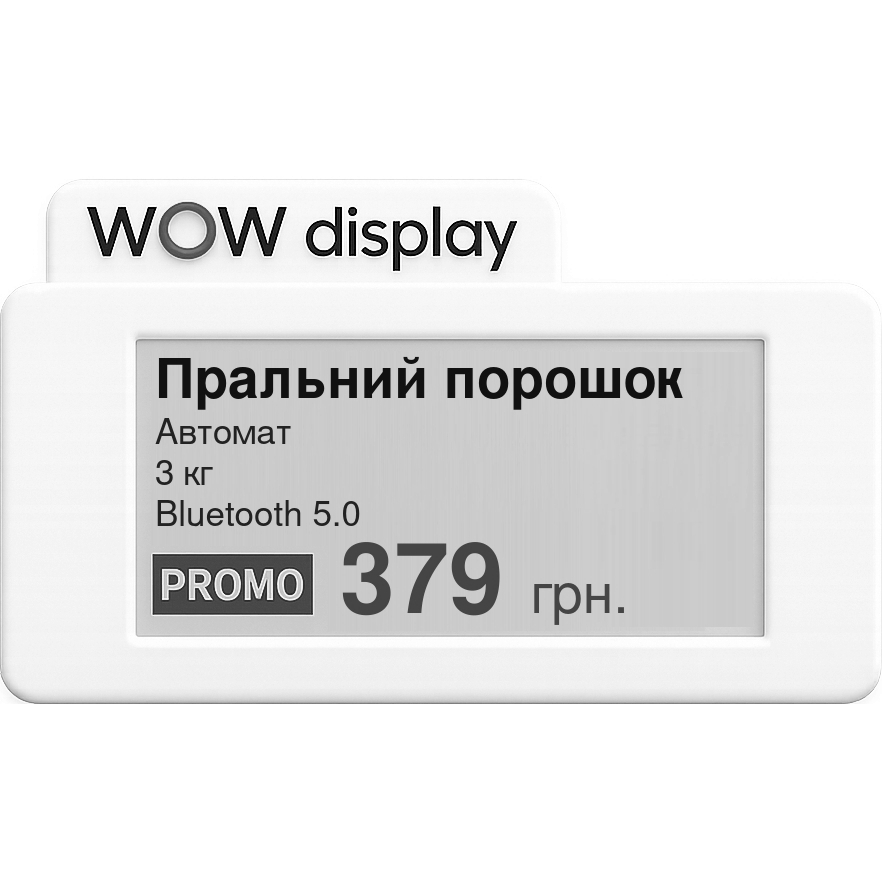
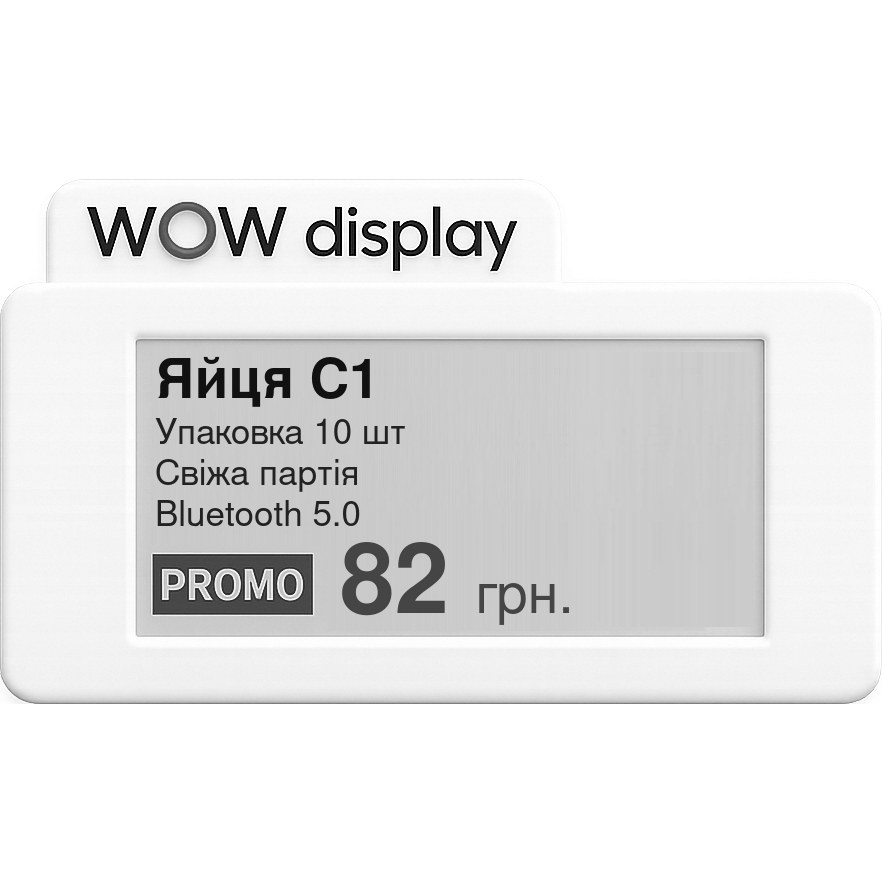
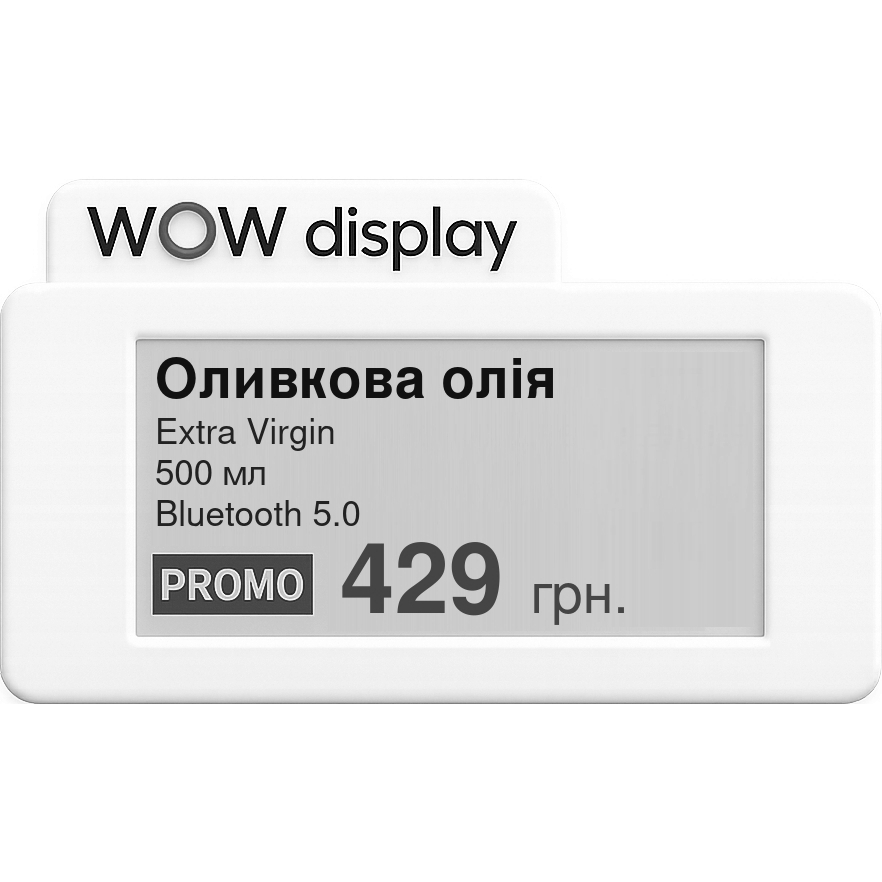
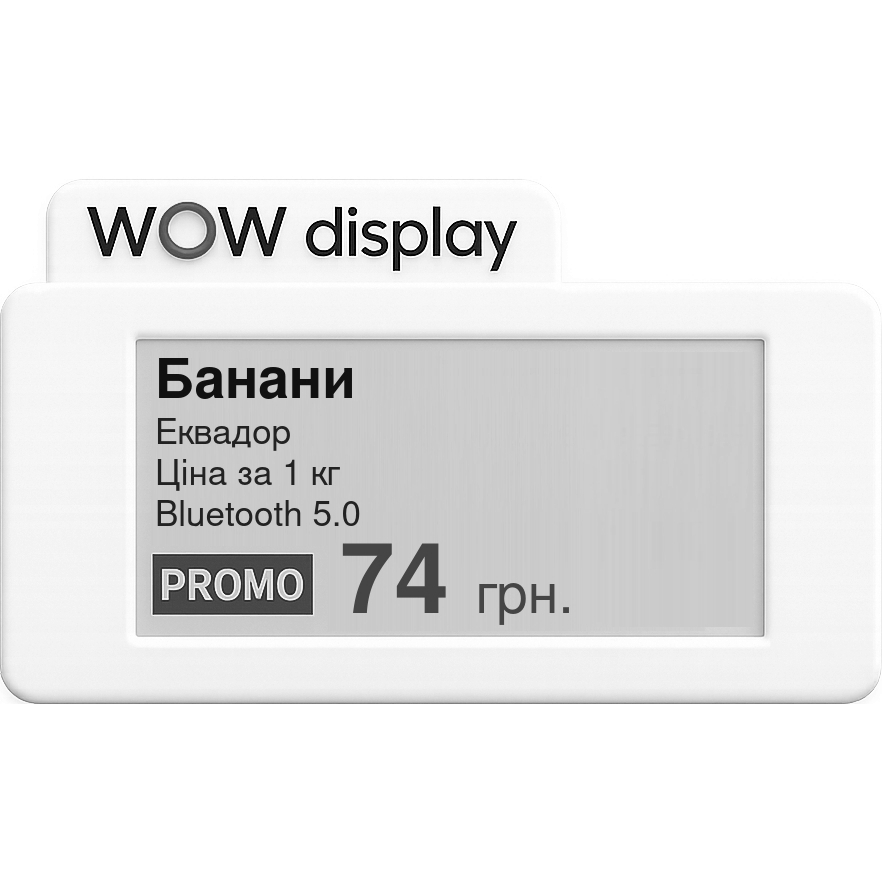
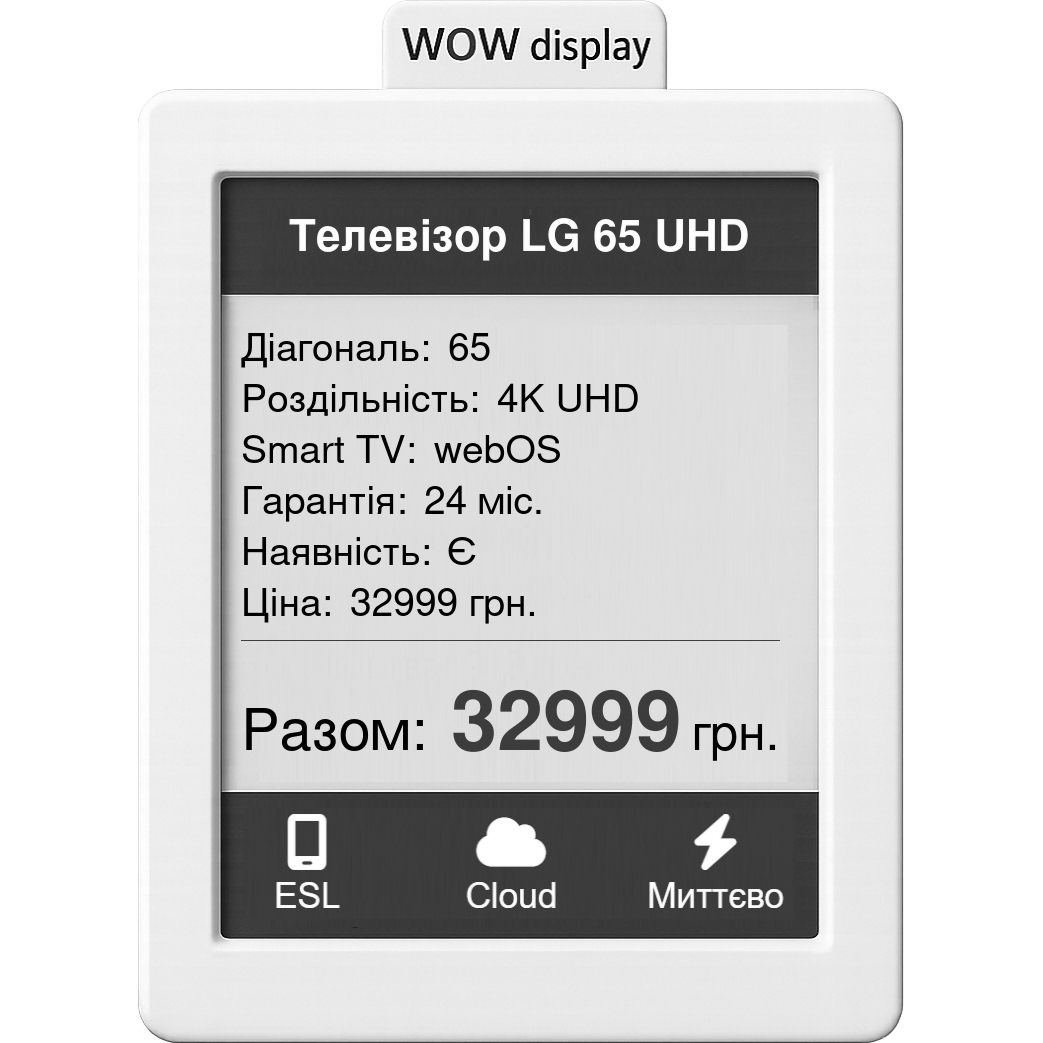
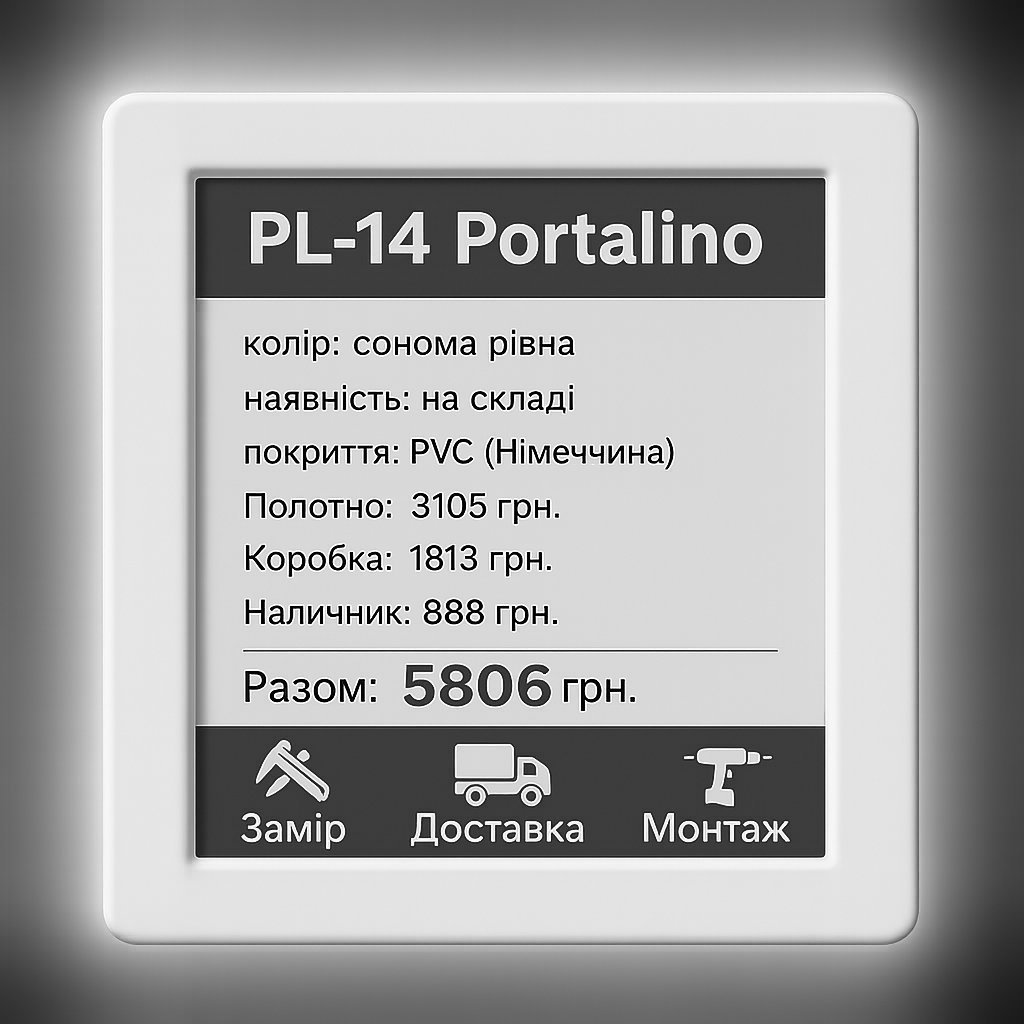
Clothing stores regularly update prices, run seasonal sales, and introduce new collections. That is why ESL electronic price tags have become one of the most effective automation tools for fashion retail. They allow product information to be changed quickly without printing paper price tags and significantly reduce the workload on staff.
Why Paper Price Tags Are No Longer Efficient
In clothing stores, the same model is often available in different:
- sizes;
- colors;
- configurations;
- promotional offers.
During seasonal sales, employees have to manually replace hundreds or even thousands of paper price tags, which takes a lot of time and increases the risk of errors.
How Electronic Price Tags Work
After integrating the ESL system with the inventory management software, prices are updated automatically.
When a manager changes the product price in an ERP or POS system, the new information is instantly transmitted to all electronic price tags through the Gateway.
Staff no longer need to walk through the entire store.
Benefits for Clothing Stores
- instant price updates;
- quick launch of promotions and discounts;
- no discrepancies between the checkout system and price tag;
- reduced staff workload;
- modern appearance of the sales floor;
- centralized management of all stores in the retail chain.
Electronic Clothing Tags
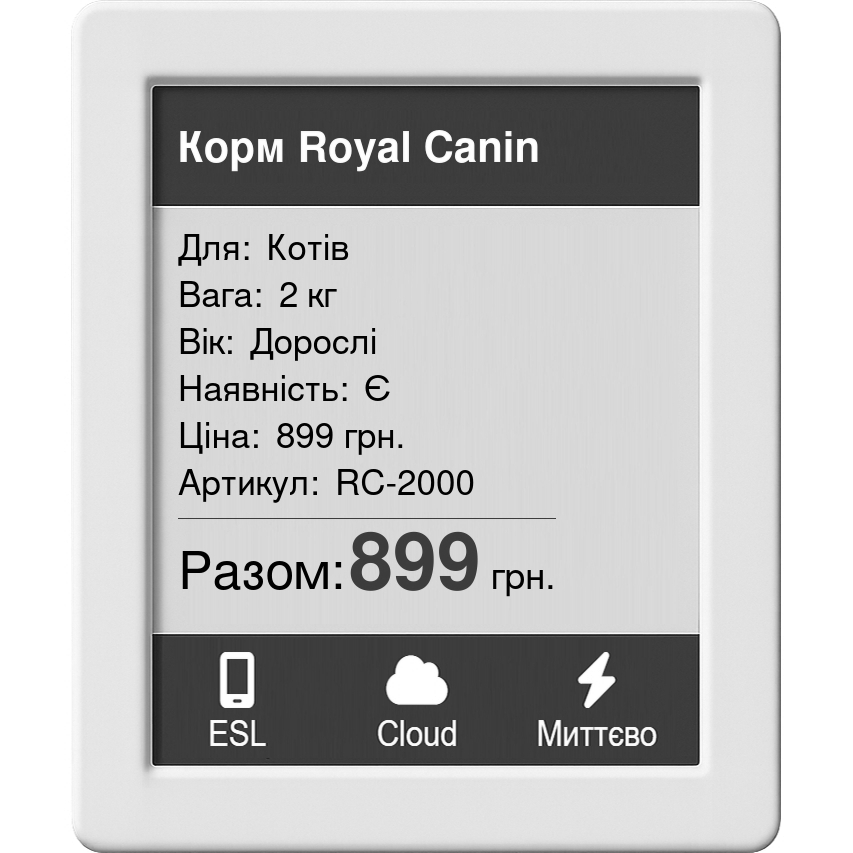
In addition to standard shelf-mounted electronic price tags, electronic clothing tags are widely used in fashion stores.
They can be attached directly to products and display:
- model name;
- SKU;
- size;
- price;
- discount amount;
- QR code.
Fast Seasonal Sales
Black Friday, seasonal sales, and promotional campaigns no longer require employees to work overnight.
All new prices can be activated simultaneously within a few minutes and, after the promotion ends, automatically return to standard values.
Improved Customer Service
When employees no longer spend hours replacing paper price tags, they can devote more time to customers:
- helping customers choose products;
- finding the right sizes;
- providing advice about new collections;
- processing purchases.
Integration with Inventory Management Systems
Electronic price tags can work together with popular automation systems:
- BAS;
- 1C;
- Poster POS;
- OpenCart;
- WooCommerce;
- Shopify;
- custom ERP systems via API.
Clothing Retail Chains
For fashion retail chains, it is especially important that prices are updated simultaneously across all stores.
The ESL system allows thousands of electronic price tags to be centrally managed from a single software platform.
Modern Store Appearance
Electronic price tags make the sales floor look more technological and organized. The absence of yellowed or unevenly attached paper price tags has a positive impact on how customers perceive the store.
Conclusion
Electronic price tags for clothing stores are not only a tool for automatic price updates, but also a comprehensive solution for optimizing staff operations, running marketing campaigns, and improving customer service. They allow retailers to respond faster to market changes, reduce costs, and create a modern image for the store.